2024-12-05
Application of femtosecond laser cutting machine microfabrication printer nozzle
(Click 362 )Femtosecond laser cutting machine, as a highly precise processing equipment, has been widely used in various fields, including microfabrication, optical component manufacturing, medical equipment, electronic devices, and the processing of microstructures such as printer piezoelectric nozzles. Especially in the manufacturing of piezoelectric nozzles for printers, femtosecond laser processing has demonstrated unique advantages and application potential.
Firstly, femtosecond laser micro hole processing has extremely high precision and resolution. The pulse width of femtosecond laser is extremely short, usually at the femtosecond (10 ^ -15 seconds) level, which enables it to achieve precise processing at the microscale. For fine structures such as printer nozzles, especially small components such as nozzle holes and channels, femtosecond lasers can achieve highly precise machining, ensuring the accuracy of their size and shape.
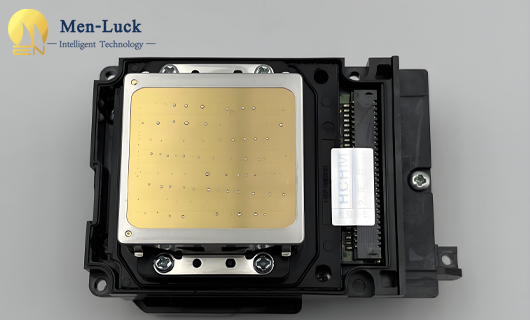
Secondly, femtosecond laser cutting machines have lower thermal effects and material damage during processing. Due to the extremely short duration of femtosecond laser pulses, the time for energy transfer to the material is extremely short, resulting in very limited thermal effects during the processing. This can avoid or minimize thermal deformation and damage in the surrounding area of the material, thereby ensuring the morphology and performance stability of the fine structure of the printer nozzle.
In addition, femtosecond laser cutting machines have a wide range of material applicability. Not only can it process various types of materials, including metals, plastics, glass, ceramics, etc., but there are almost no special requirements for the hardness, thermal conductivity, optical properties, etc. of the materials, which makes it suitable for the processing needs of different materials in the manufacturing of printer nozzles.
In the process of processing printer nozzles, it is usually necessary to strictly control the laser power, focusing, and processing parameters of the laser cutting machine to ensure the stability and consistency of the processing effect. At the same time, the design and manufacturing of the nozzle also need to fully consider the microstructure characteristics after processing to meet the performance requirements of the piezoelectric nozzle in the printing process of the printer.
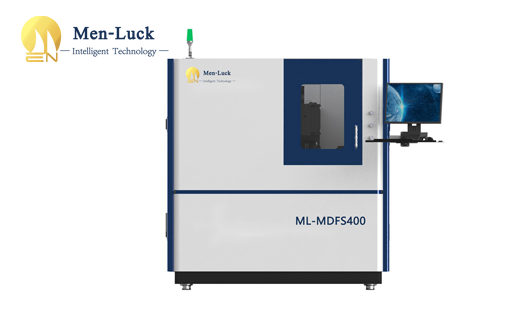
Femtosecond laser cutting machine, as a high-precision and low damage microfabrication equipment, has important application prospects in the manufacturing of printer heads. It can meet the high requirements for microstructure accuracy and quality, and is expected to further promote the development and application of printing technology.
 WhatsApp:
 Wechat
Selecting Laser Cutting Machine Configurations Based on Application 2026-11-12
Different processing applications impose distinct requirements on fiber laser cutting machines. A reliable approach to equipment selection is to first analyze the workpieces, then evaluate the technical specifications. For thin-sheet batch components—such as enclosures o…
Key points for selecting fiber laser cutting machine for cutting thick carbon steel plates 2026-10-21
The cutting of thick carbon steel plates is a key concern for many equipment supervisors in metal processing plants. Traditional plasma cutting has a rough cross-section and requires a large amount of subsequent processing; The performance of fiber laser cutting machines in the…
Fiber Laser Cutting Machine: Addressing Stainless Steel Slag Adhesion 2026-09-29
In stainless steel cutting, slag hanging and burrs are common issues in sheet metal workshops, which not only increase grinding time but also affect workpiece accuracy and delivery efficiency. As a laser cutting machine manufacturer, we share several practical suggestions from …
Laser precision cutting machine: the core equipment for semiconductor and communication device manufacturing 2026-08-17
In the field of semiconductor and communication device manufacturing, the limits of accuracy are constantly being rewritten - chip processes are approaching physical limits, 5G base station filter apertures continue to shrink, and tolerances for some key features have entered t…